Communication automation projects fail at predictable points. Hotels invest in guest messaging platforms that nobody uses properly. Service businesses deploy WhatsApp bots that frustrate customers. The underlying pattern here: most implementations start with technology selection instead of workflow analysis.
The data paints a different picture than vendor promises. Boutique hotels using AI-driven guest communication platforms report significant delays when the technology doesn't integrate with existing operational rhythms. WhatsApp automation services show impressive engagement metrics, but only when they complement rather than replace human touchpoints.
Map Your Communication Pressure Points First
Before evaluating any automation platform, identify where communication actually breaks down in your business. This isn't about surveying staff satisfaction—it's about tracking message volume, response times, and handoff failures.
A boutique hotel chain discovered their biggest communication delay wasn't guest inquiries—it was internal coordination between housekeeping and front desk during turnover periods. Their initial plan to automate guest messaging would have addressed a symptom while leaving the core bottleneck untouched.
Track these specific metrics for two weeks:
- Average response time by communication channel
- Number of messages that require escalation or handoffs
- Peak volume periods that create backlogs
- Repeat inquiries that suggest information gaps
Choose Your Automation Depth
Communication automation exists on a spectrum from simple scheduling to full conversational AI. Most businesses overcomplicate this decision by focusing on capabilities rather than requirements.
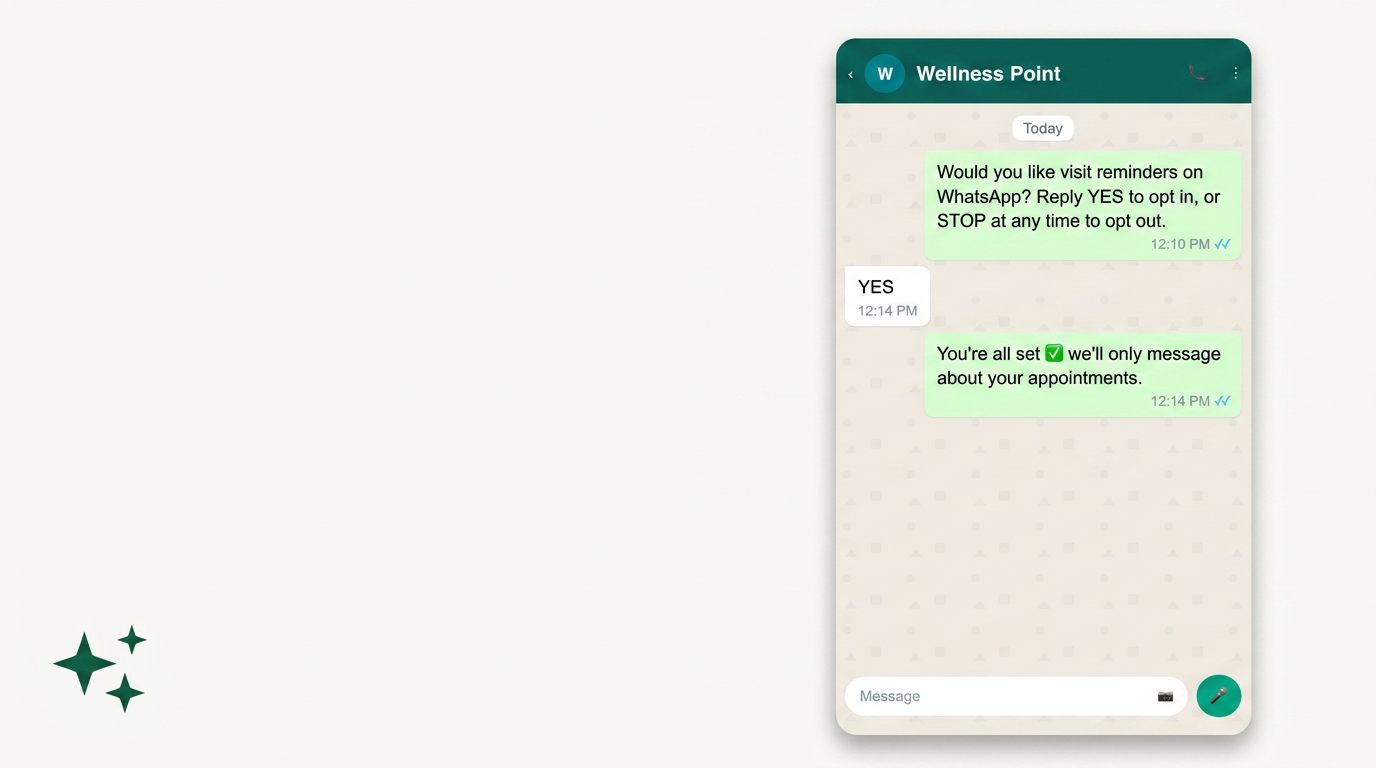
Simple appointment reminders via WhatsApp or SMS can eliminate 60-80% of no-shows without complex implementation. SMS remains more reliable for broad reach, while WhatsApp offers higher engagement rates when your audience actively uses the platform. The choice depends on your customer demographic and communication preferences, not the latest features.
For businesses handling complex inquiries, sentiment analysis dashboards provide more value than chatbots. These platforms flag frustrated customers in real-time, allowing human agents to intervene before complaints escalate. The technology focuses on augmenting human decision-making rather than replacing it entirely.
Integration Architecture That Won't Break
The numbers tell a clearer story than the narratives around seamless integration. Most communication automation failures stem from poor API connections with existing systems—CRM platforms, booking systems, inventory management.
Start with read-only integrations before attempting two-way data synchronization. A restaurant using WhatsApp for reservation confirmations should first ensure the system can access booking data reliably before enabling customers to modify reservations through the chat interface.
Multi-feature APIs offer comprehensive functionality but create more failure points. Prioritize stable, single-purpose connections initially. A hotel using Revinate for guest messaging achieved better results by connecting only their property management system initially, then adding guest review platforms after the primary integration proved stable.
Staff Transition Without Chaos
Slow, phased implementation consistently outperforms big-bang rollouts in communication automation. Staff need time to develop confidence with new tools, especially when they're still handling customer inquiries manually as backup.
Train teams on the automation logic, not just the interface. When staff understand why the system routes certain inquiries automatically and escalates others, they can troubleshoot effectively and maintain customer relationships during technical issues.
Create clear escalation protocols before launch. Customers contacting a business through automated channels still expect human intervention when needed. Define exactly when and how staff should take over from automated systems, and ensure these handoffs feel seamless from the customer perspective.
Data Security Without Paralysis
Customer data security solutions have become increasingly sophisticated, but implementation complexity can delay projects unnecessarily. Focus on privacy-first platforms that handle compliance requirements through their architecture rather than requiring extensive configuration.
Unified customer data platforms like those from SAP and Verint emphasize real-time governance and global regulatory compliance. However, many businesses need simpler solutions that secure customer communications without comprehensive data activation features.
For WhatsApp and SMS automation, ensure your chosen platform maintains message encryption and provides clear data retention policies. The platform should handle GDPR, CCPA, and similar privacy requirements through default configurations rather than custom implementations.
Measuring Success Beyond Open Rates
Communication automation metrics often focus on engagement statistics—message open rates, response times, click-through rates. These measure platform performance, not business impact.
Track operational metrics that reflect the automation's core purpose. If you implemented appointment reminders to reduce no-shows, measure attendance rates and staff time previously spent on confirmation calls. If you automated customer support to improve satisfaction, track resolution times and escalation rates.
Customer feedback systems integrated with your automation platform provide qualitative insights that complement quantitative metrics. Predictive analytics can identify communication patterns that lead to higher satisfaction or increased sales, but only when the underlying automation consistently delivers value.
This surprised me when I first saw the data: businesses achieving the highest ROI from communication automation typically start with their most repetitive, low-stakes interactions—appointment confirmations, order updates, basic FAQs—rather than attempting to automate complex customer service scenarios immediately.
Common Implementation Traps
Platform selection often becomes the primary focus, overshadowing workflow design. Businesses compare feature lists and pricing tiers while neglecting to map how the technology will integrate with existing communication patterns.
Over-automation creates customer frustration when simple inquiries require multiple menu selections or when personal requests get routed through generic response templates. Maintain human touchpoints for relationship-building communications, even when automation handles routine transactions efficiently.
Inadequate testing with real customer scenarios leads to launch-day failures. Use actual customer inquiries from the past month to test automated responses, escalation triggers, and handoff procedures. Generic test scenarios miss the edge cases that define customer experience quality.
The framework works when businesses address workflow inefficiencies first, select appropriate automation depth for their specific communication challenges, and implement gradually while maintaining service quality throughout the transition.