A massage therapy clinic in Melbourne loses $2,400 monthly to no-shows. A dental practice in Toronto spends 15 hours weekly on appointment coordination. A fitness studio in São Paulo watches members churn because they can't get convenient booking slots. These aren't isolated problems—they're symptoms of businesses running on manual processes that break under growth pressure.
The mathematics are unforgiving: service businesses operating without systematic client management typically see 20-30% revenue leakage through operational friction alone. The solution isn't hiring more staff to manage complexity—it's eliminating complexity through intelligent automation.
Identifying Revenue Bleeding Points
Most service businesses focus on acquiring new clients while existing systems actively sabotage retention. The highest-impact problems cluster around three areas: scheduling chaos, payment friction, and communication gaps.
No-shows represent the most visible hemorrhage. A physiotherapy practice booking 200 appointments weekly with a 25% no-show rate loses roughly 50 sessions monthly. At $120 per session, that's $6,000 in direct revenue loss—not counting the cascade effects of disrupted schedules and underutilized capacity.
Hidden costs compound the damage. Staff spend disproportionate time on administrative tasks that generate zero revenue. A salon coordinator managing appointments, confirmations, and rescheduling manually burns 20+ hours weekly on work that automation handles in minutes.
Payment collection represents another critical leak. Businesses relying on post-service billing see 15-25% longer payment cycles and higher bad debt rates compared to automated payment capture systems.
Building the Foundation Layer
Effective automation starts with data architecture, not software selection. The most sophisticated booking system fails if customer information lives in disconnected silos across multiple platforms.
Centralized customer records form the foundation. Every interaction—bookings, payments, preferences, communication history—must feed into a single source of truth. This isn't just organizational hygiene; it's the prerequisite for automation that actually works.
Integration capabilities matter more than feature lists when evaluating platforms. A basic system that connects seamlessly with existing tools outperforms a feature-rich platform that operates in isolation. The goal is creating workflows where information flows automatically between systems without manual data entry.
Calendar synchronization deserves special attention. Real-time availability across all booking channels prevents double-bookings and eliminates the coordination overhead that kills productivity. Staff calendars, resource availability, and client preferences should update automatically across all touchpoints.
Optimizing the Booking Experience
The booking interface directly impacts conversion rates and customer satisfaction. A poorly designed system creates friction that drives potential clients away before they complete their reservation.
Mobile-first design isn't optional—it's fundamental. Booking systems must work flawlessly on smartphones because that's where most reservation decisions happen. Complex multi-step processes or desktop-optimized layouts kill mobile conversions.
Service presentation affects booking behavior. Displaying available time slots strategically influences customer choices. Showing limited availability creates urgency, while too many options create decision paralysis. The most effective systems present 3-5 convenient options rather than overwhelming customers with every possible slot.
Package and membership integration at the booking stage increases average transaction value. When clients can easily apply existing credits or upgrade to package deals during reservation, both convenience and revenue improve simultaneously.
Eliminating No-Shows Through Smart Communication
Traditional reminder systems—single email or SMS 24 hours before appointments—represent the bare minimum, not best practice. Effective no-show prevention uses layered communication that adapts to customer behavior patterns.
Multi-touch reminder sequences work better than single notifications. An initial confirmation immediately after booking, followed by reminders at 48 hours, 24 hours, and 2 hours before appointments, creates multiple engagement points that reinforce commitment.
Communication timing matters more than frequency. Data shows reminder effectiveness peaks when sent during customers' typical online activity windows. A fitness studio might find Tuesday evening reminders more effective than Monday morning ones, depending on their member demographics.
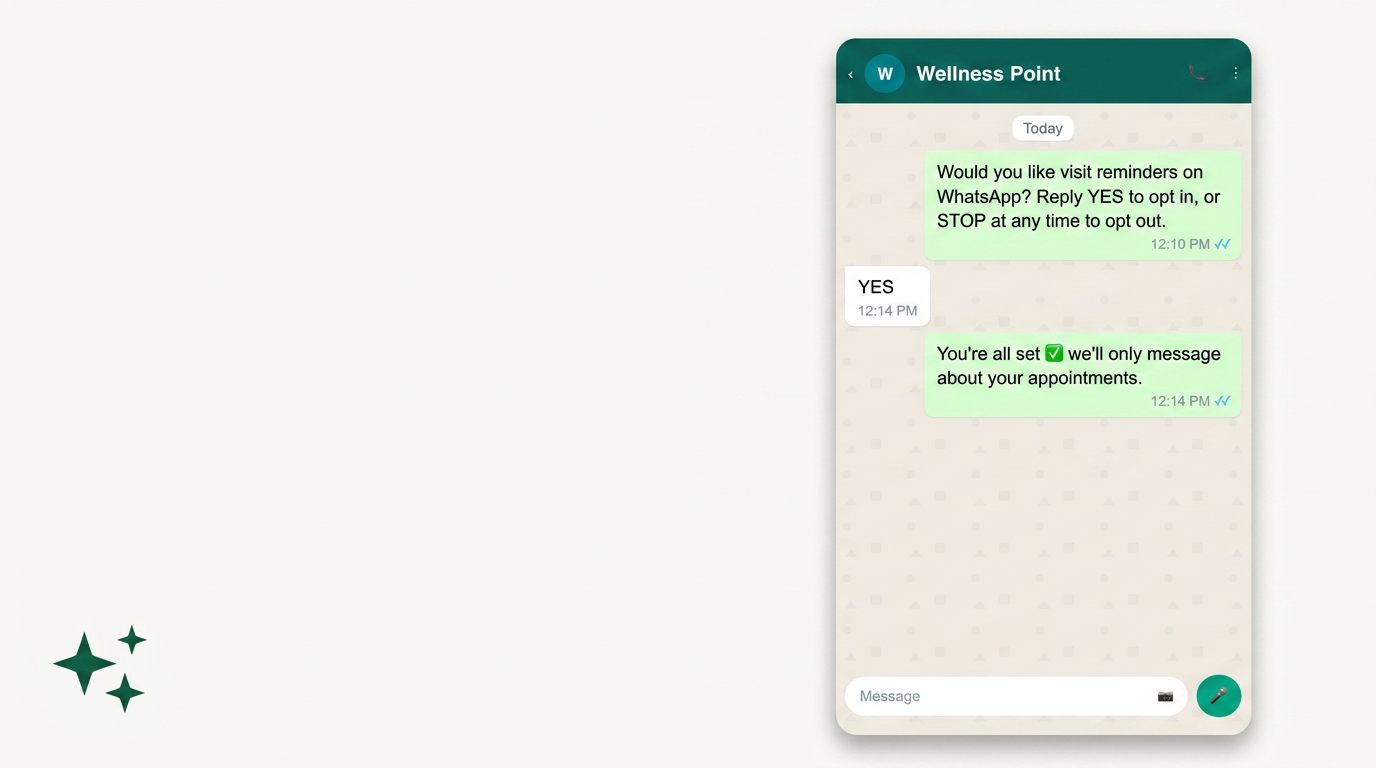
Two-way communication capabilities transform passive notifications into engagement opportunities. Systems that allow customers to confirm, reschedule, or cancel through reply messages reduce administrative burden while improving customer experience. Worth noting: customers who actively confirm appointments show significantly lower no-show rates than those who simply receive reminders.
Payment Automation That Actually Works
Payment collection automation goes beyond processing transactions—it optimizes cash flow and eliminates billing disputes before they develop.
Upfront payment capture during booking eliminates most collection issues. Customers who pay when scheduling show near-zero no-show rates and require minimal administrative follow-up. The psychological commitment created by advance payment strengthens appointment adherence.
Flexible payment options increase conversion rates without complicating operations. Automated systems can offer packages, memberships, individual sessions, and payment plans while maintaining consistent pricing and terms across all channels.
Usage-based pricing models work particularly well for service businesses with variable demand. Clients who pre-purchase service credits or time blocks show higher lifetime value and engagement rates compared to pay-per-session customers. Automation makes these models manageable by tracking usage and sending low-balance notifications automatically.
Cross-Selling Without Being Pushy
Automated cross-selling works when it feels like helpful service rather than aggressive sales tactics. The key is timing and relevance—offering complementary services when customers are most receptive.
Post-service follow-up creates natural cross-selling opportunities. A customer completing a massage might receive automated information about related wellness services or package deals. The timing leverages their positive experience while addressing extended needs.
Behavioral triggers enable personalized recommendations without manual intervention. Customers who book certain services frequently might automatically receive offers for related treatments or membership upgrades. The automation ensures consistency while maintaining personalized relevance.
Seasonal and event-based promotions can be automated based on customer history and preferences. A spa customer who books monthly facials might receive automated holiday package offers, while irregular visitors get reactivation promotions.
Measuring What Matters
Automation success requires tracking the right metrics—not just activity levels, but business impact. The most important indicators focus on customer behavior changes and revenue effects.
No-show rates provide immediate feedback on system effectiveness. Improvements should be visible within 2-3 weeks of implementing automated reminders and confirmation systems. Businesses typically see 40-60% reduction in no-shows after optimizing their communication workflows.
Customer lifetime value offers the clearest picture of automation ROI. Clients who engage with automated systems—completing bookings smoothly, receiving timely communications, paying efficiently—typically show 25-40% higher lifetime value than those navigating manual processes.
Staff productivity metrics reveal operational improvements. Time spent on administrative tasks should decrease significantly as automation handles routine communications, scheduling, and payment processing. The freed capacity can be redirected toward customer service or business development activities.
Choosing Technology That Grows With You
Platform selection determines long-term scalability more than immediate feature needs. The best system for a small business is the one they will actually use consistently, but it must also support growth without requiring complete replacement.
API availability and integration options matter more for growing businesses than comprehensive built-in features. A platform that connects with accounting software, email marketing tools, and payment processors will scale better than an all-in-one solution that locks you into their ecosystem.
Multi-location capabilities should be considered even for single-location businesses planning expansion. Systems designed for single operations often require expensive migrations when scaling to multiple locations or service offerings.
Data ownership and portability protect long-term business interests. Platforms that make it difficult to export customer data or integrate with other tools create dangerous dependencies that become more problematic as businesses grow.
The transition from manual to automated client management represents one of the highest-impact investments service businesses can make. When implemented systematically, automation doesn't just reduce operational costs—it transforms customer experience in ways that drive sustainable revenue growth. The businesses that embrace this transition now will be the ones capturing market share while their competitors struggle with scaling manual processes that break under growth pressure.